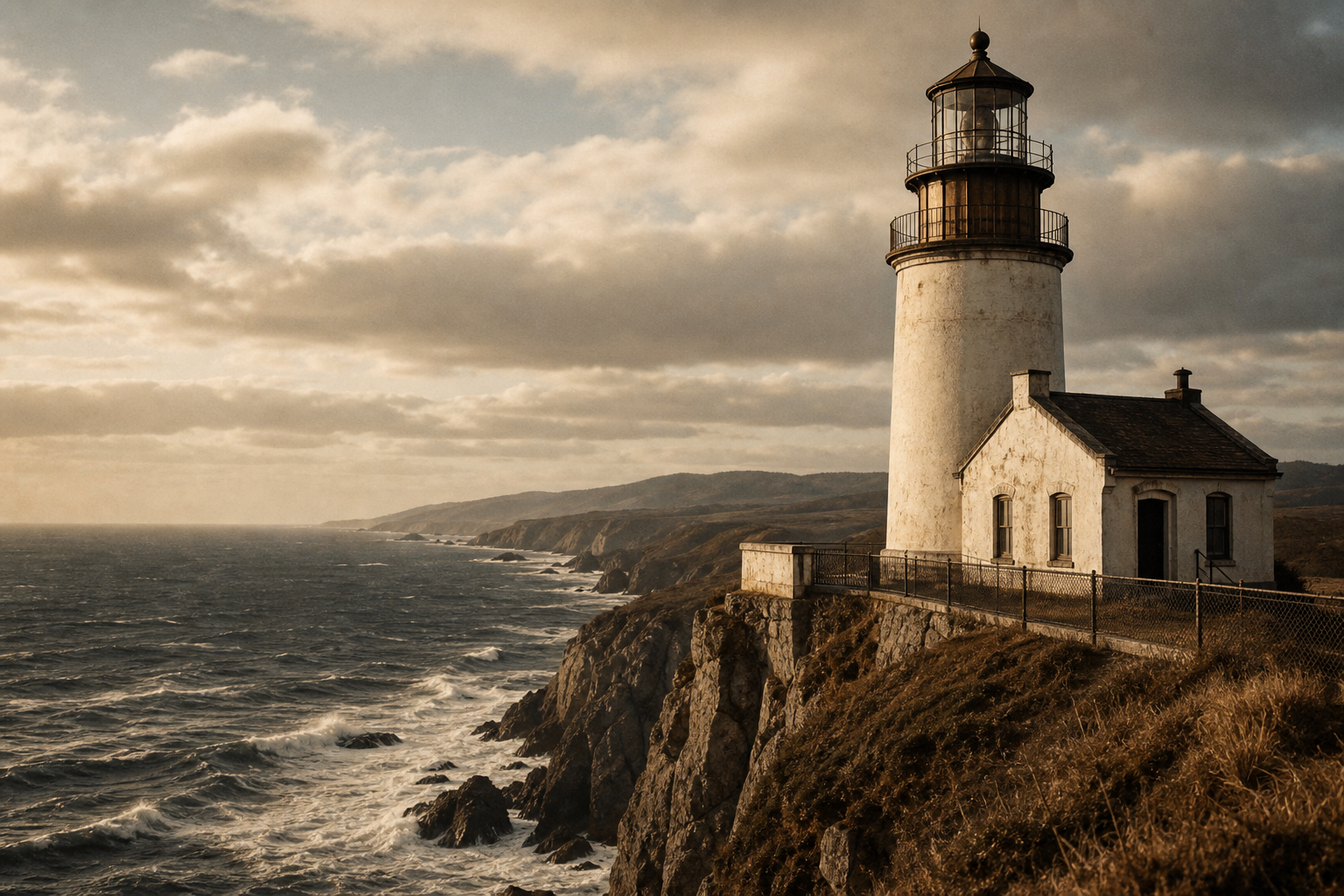
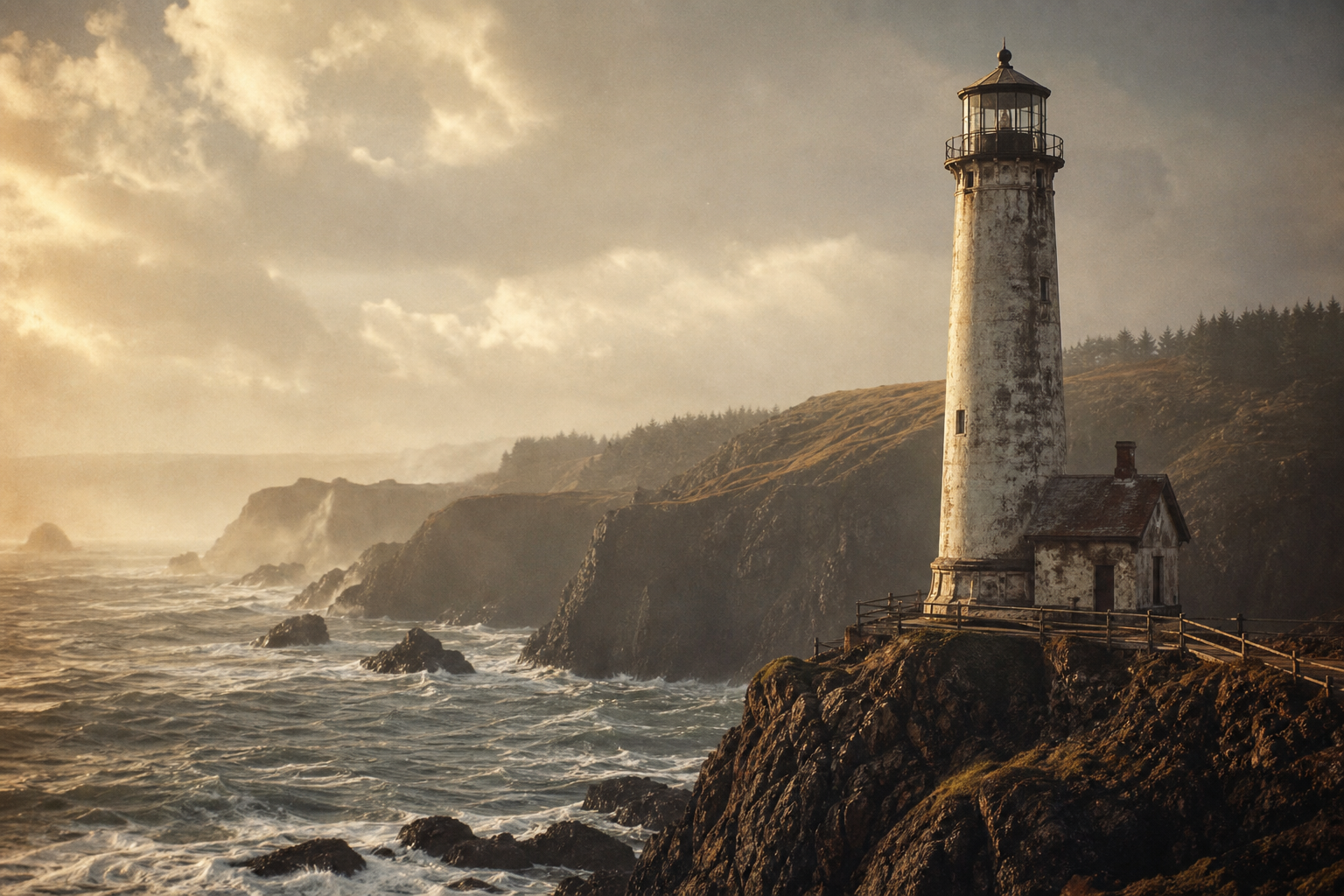
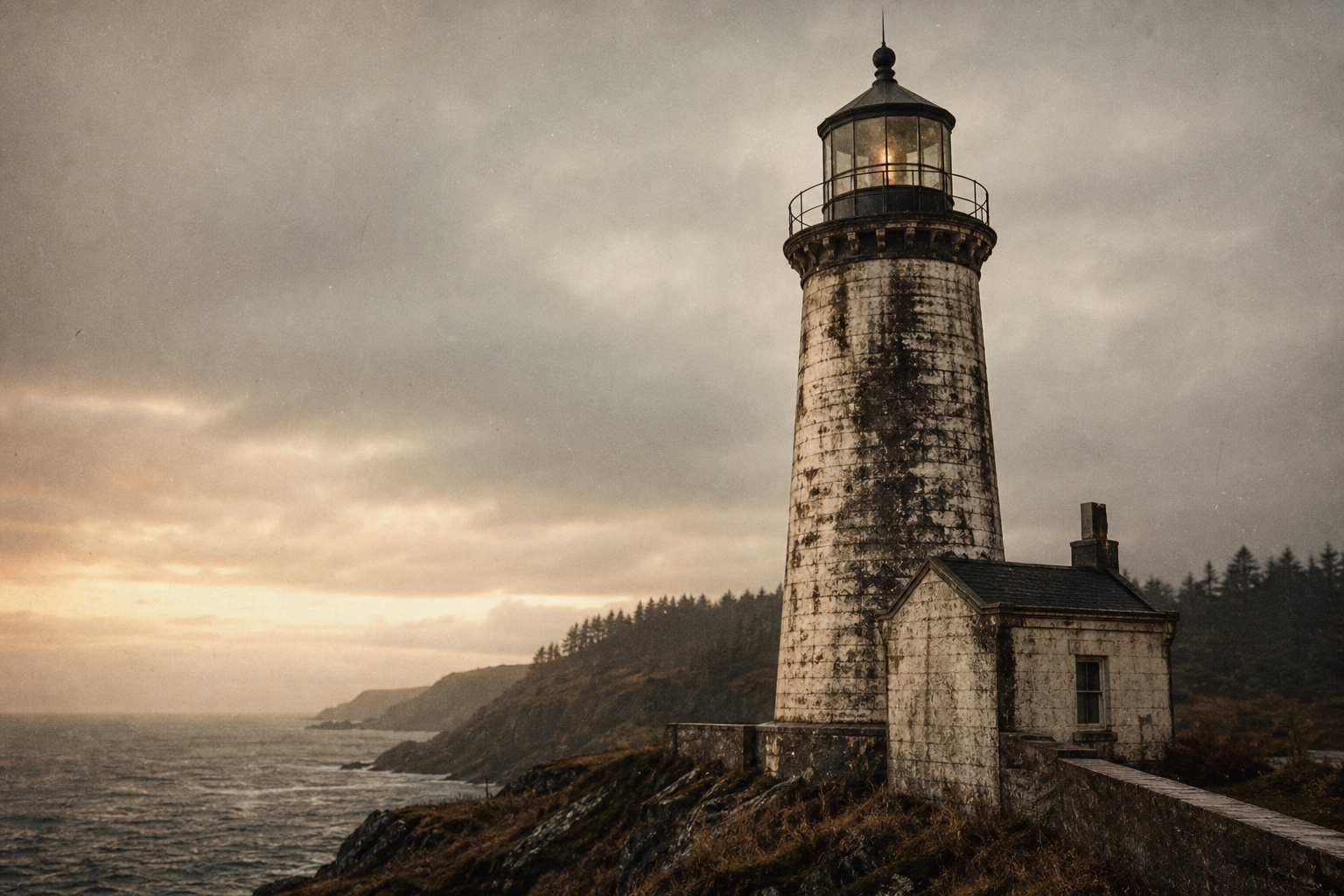
Historic stone lighthouse on a rugged northern shoreline in misty late-afternoon light, with wind-brushed sea and weathered cliffs

Northern Coast Historical Reference

Beacons of the Northern Coast

Explore archive photographs, keeper stories, and preserved towers that trace how light, labor, and weather shaped this shoreline.

  • Archive photos
  • Keeper accounts
  • Preserved towers

Cape Sable Reach · Late Autumn Fog

Coast introduction

Before the archive images, a shoreline network worth reading as history.

Long before modern navigation, northern beacons stitched harbors, fisheries, and rescue routes into one working coast. These towers guided cargo and families home, marked storm risk, and turned isolated headlands into shared points of memory.

  1. Early 1800s

    First coastal beacons

    Simple lights on rocky points gave fishermen and mail packets their first dependable night references.

  2. Mid 19th century

    Expansion of tower routes

    A chained set of lights linked capes and inlets, letting captains plot safer, faster passages along the north coast.

  3. Late 1800s to 1900s

    Everyday keeper life

    Keepers trimmed wicks, logged weather, and answered fog with signal routines that protected working crews and travelers.

  4. Late 20th century to today

    Preservation of surviving towers

    Communities and volunteers stabilized remaining stations so navigation history stayed visible on the modern shoreline.
Heritage highlights

Fast-scan context for the northern coast network

A compact read of why these towers still matterfrom navigation memory to preserved shoreline landmarks.

Landmark towers, shared memory

Beacon silhouettes remain the reference points by which coastal communities still describe place.

Fog-bound routes, disciplined signals

In low visibility, timed light and sound patterns shaped safe passage along difficult approaches.

Keeper routines, constant vigilance

Watch logs, lamp care, and weather checks formed a daily rhythm that protected coastal traffic.

Preserved structures, living archive

Restored towers and station remains now connect preservation work with public coastal learning.

Keeper stories

Voices from the watch

Routine, weather, and care shaped every light. These field notes bring the human rhythm behind the beacons into focus.

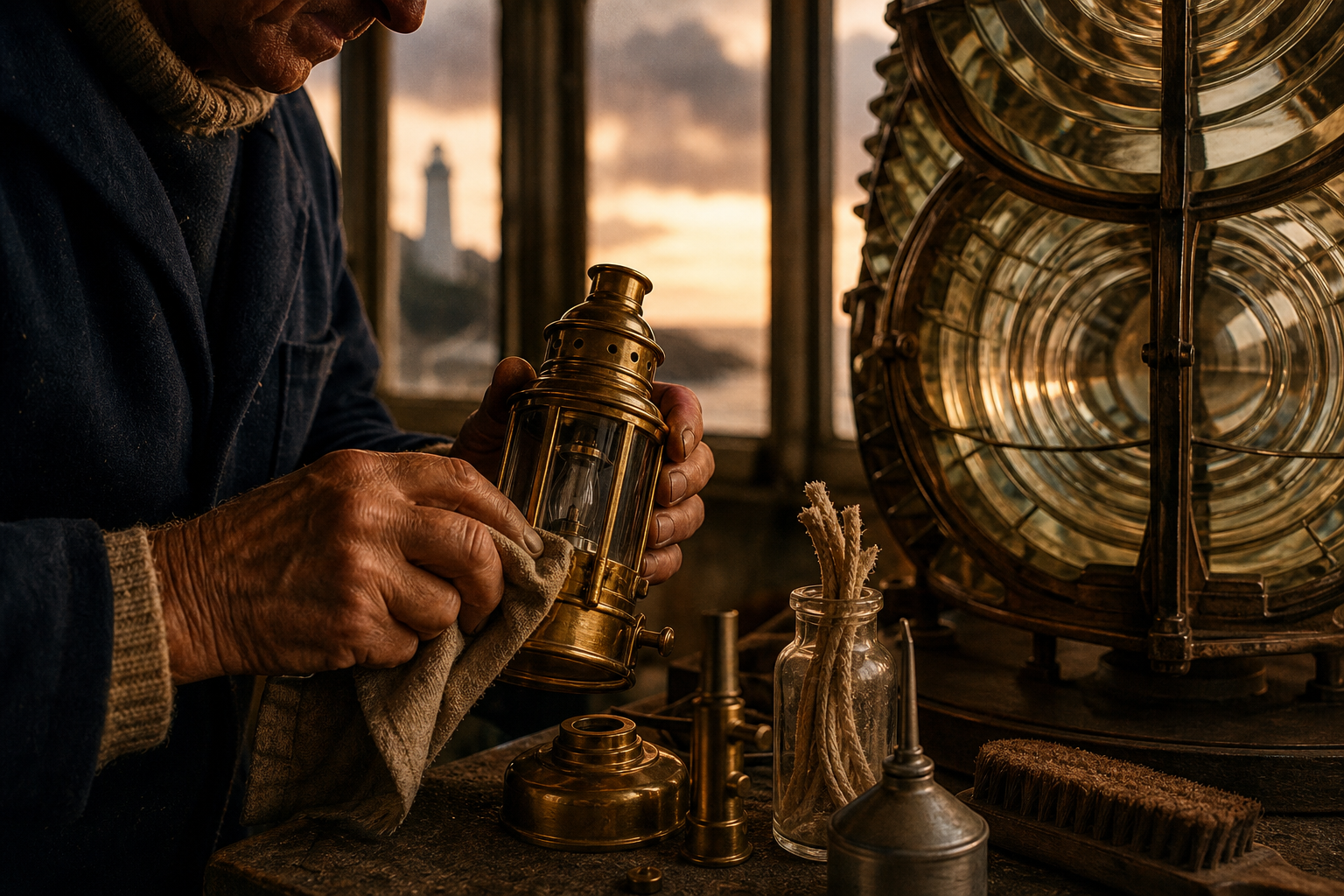
Wick and Glass Before First Light

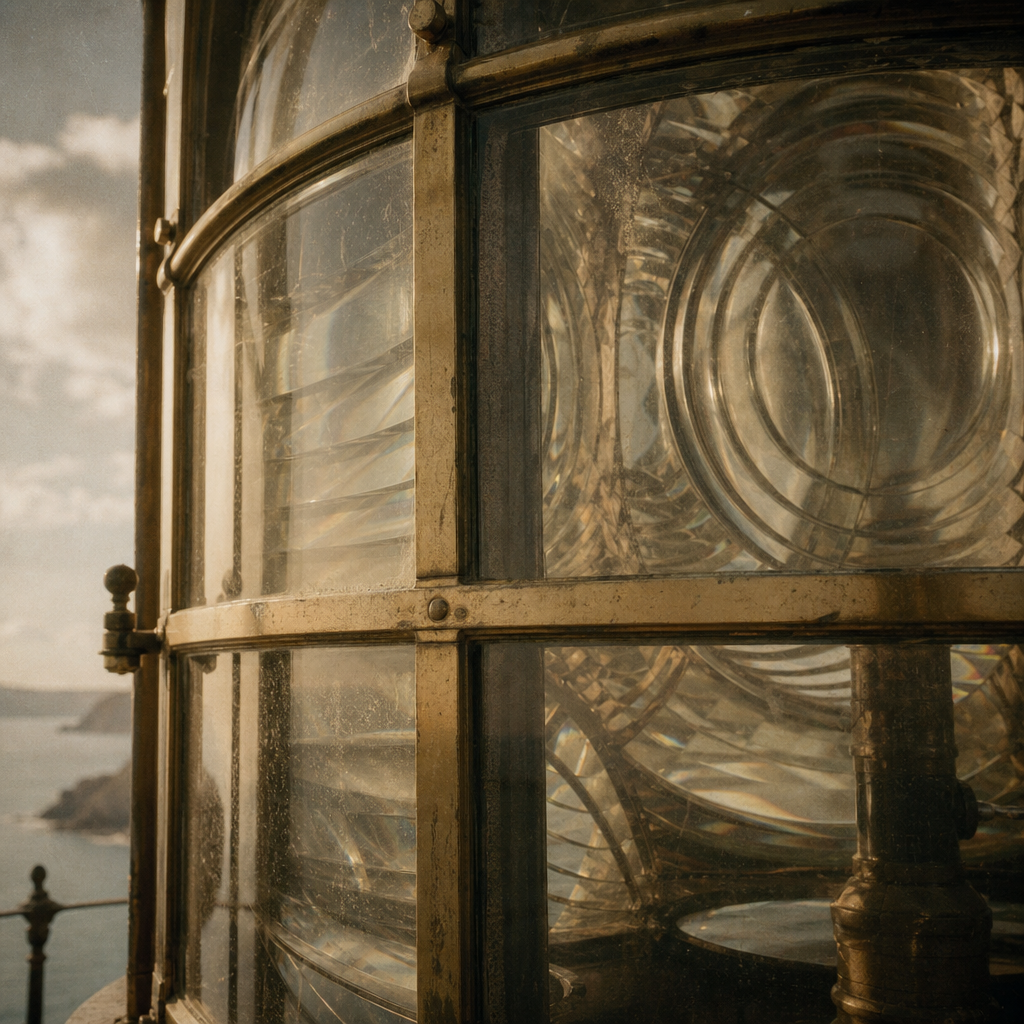
Before sunrise, keepers trimmed carbon from the wick, polished salt haze from the lens, and checked fuel by hand to keep the beam steady through the morning fog.

“If the flame was clean, the coast could trust us before the sun.”

Logbook detail · Lens cloth dried by stove heat

Keeper hands cleaning a brass lamp assembly beside a large lighthouse lens in warm early light

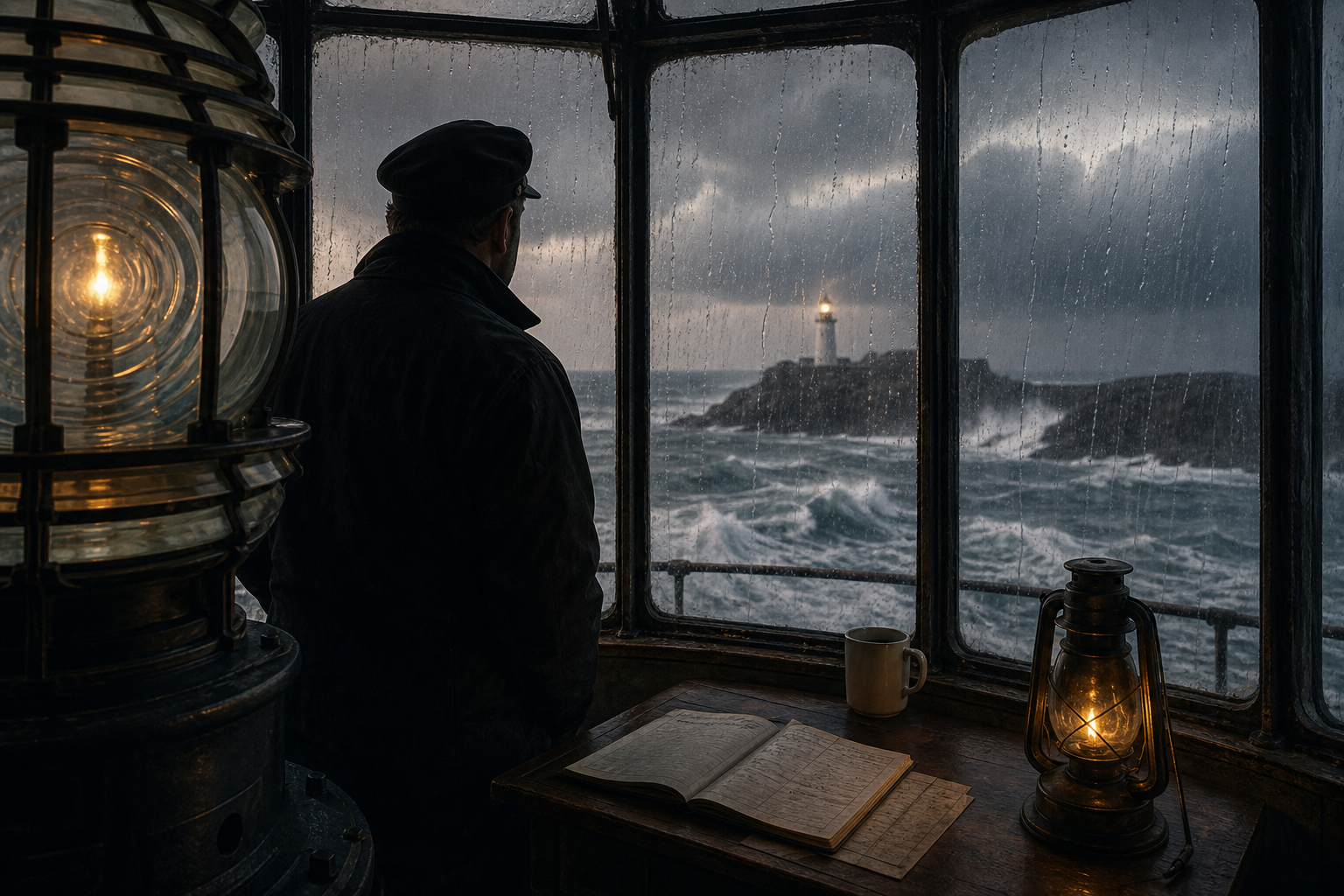
Storm Watch at the Lantern Room

During gale nights, keepers tracked wave height and fog signal timing from the window, recording each shift in wind so passing crews could read the coast by sound and light.

“The glass shook with every gust, but the beam had to hold its line.”

Watch note · Fog bell interval reset at 02:10

Interior lighthouse window during a storm with rain streaks and a keeper silhouette monitoring the sea

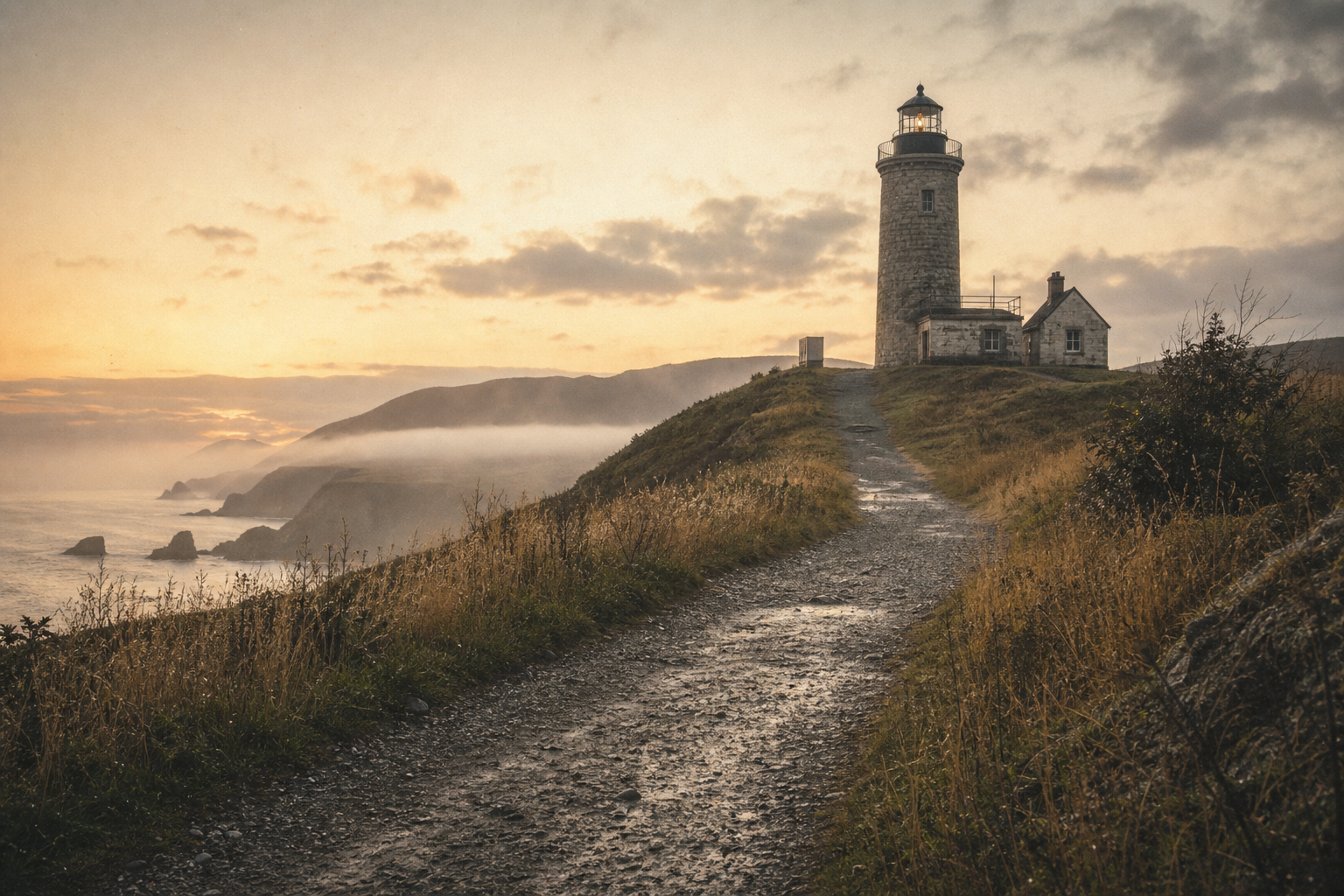
Dawn Path to the Tower

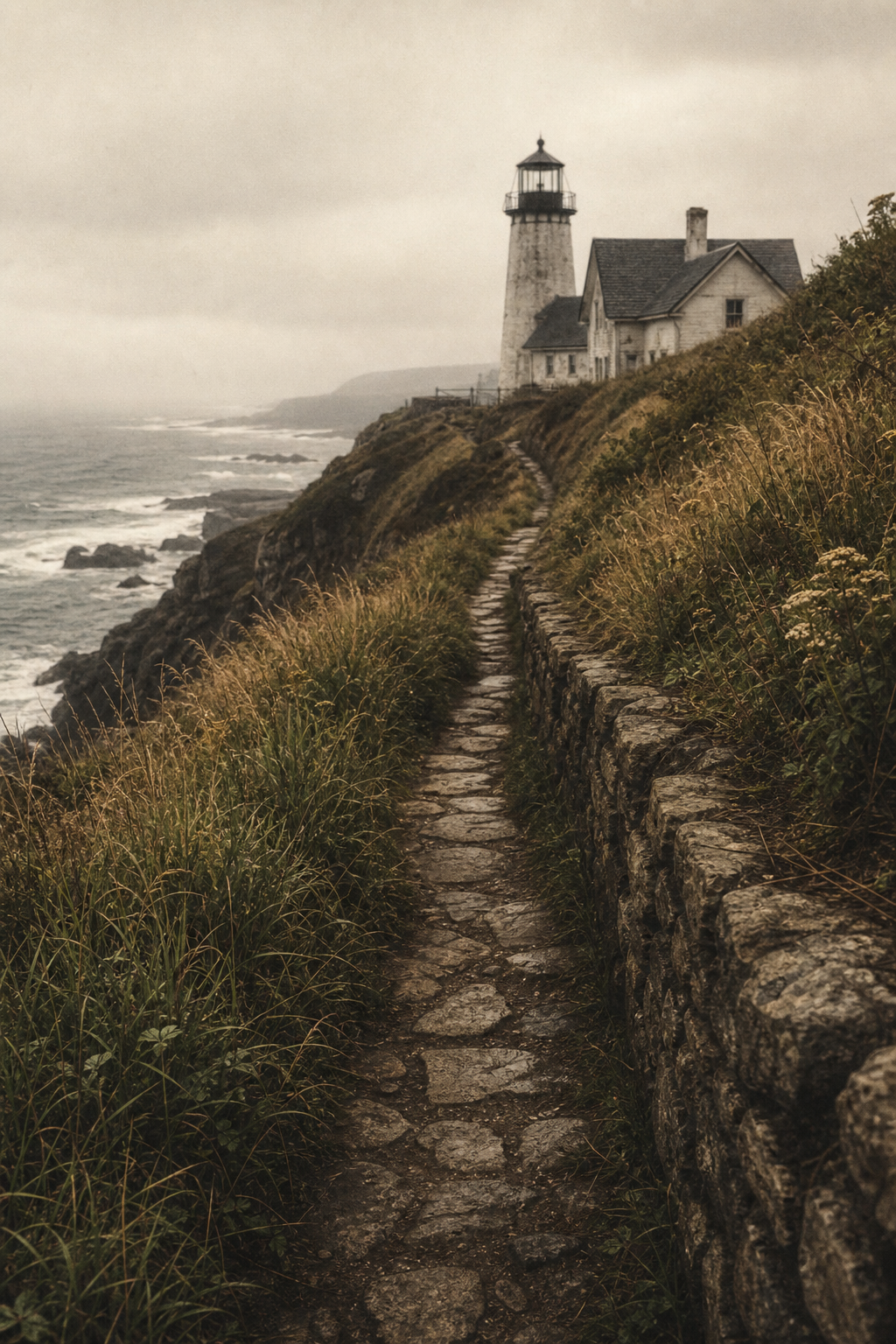
At first light, supplies and weather sheets were carried up the gravel path, often against wind off the cliffs, before the day’s maintenance rounds began.

“Boot prints in wet stone were the first record of every morning watch.”

Field detail · Compass bearing marked at trail gate

Narrow coastal path leading to a lighthouse tower at dawn with soft mist and warm sky
Continue to the preserved towers map for present-day locations and orientation.

Preserved towers map

Where the beacons still stand along the northern coast

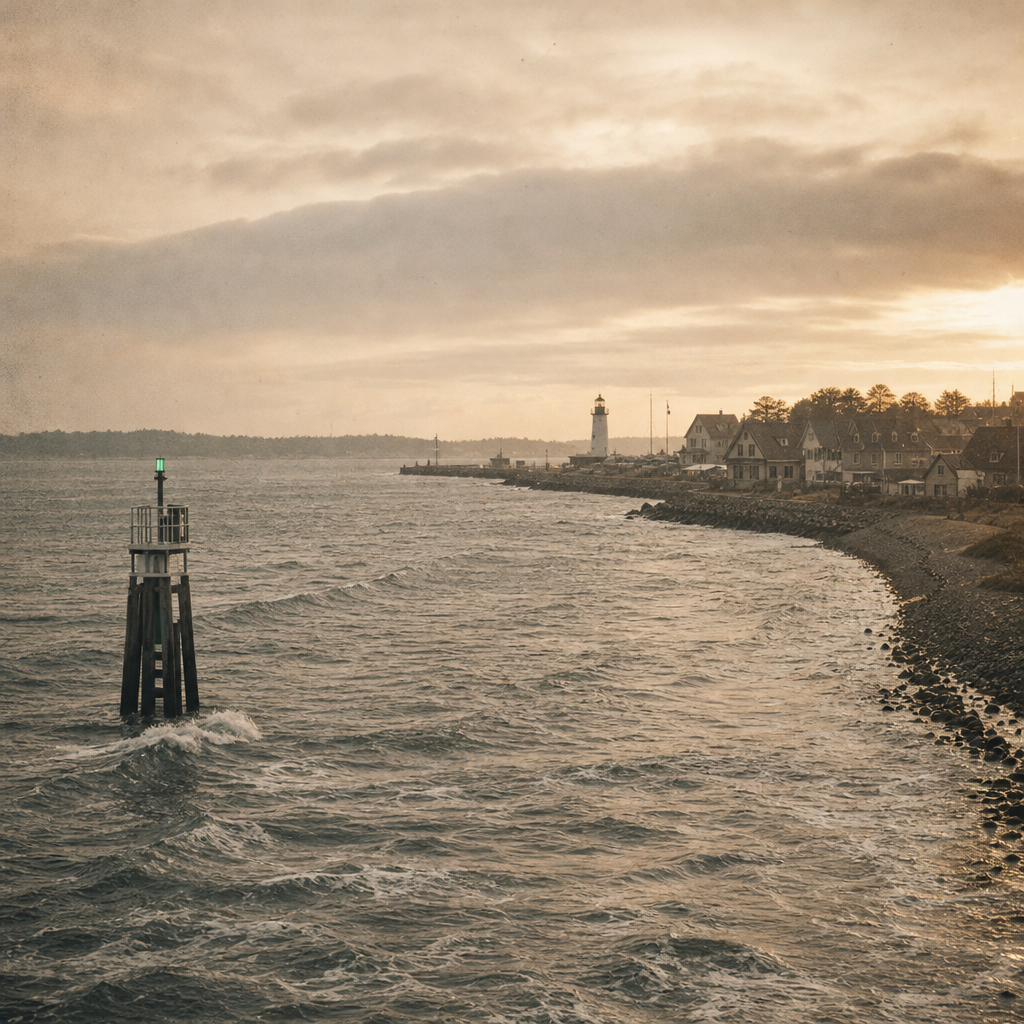
This coastline view pairs historical memory with present-day orientation, highlighting preserved towers that remain visible, accessible, and cared for.

Visit notes

Practical guidance for exploring the northern coast with care for weather, access, and preservation.

How can I help protect these historic towers while visiting?

Stay on marked paths, avoid climbing stonework or railings, and never remove objects from the site. Small actions preserve fragile materials for future visitors.

Are lighthouse grounds open year-round?

Access changes with storms, nesting seasons, and maintenance periods. Check local notices before travel and expect occasional temporary closures.

What should I know about cliff edges and coastal paths?

Keep well back from edges, especially after rain when soil can crumble. Wear grippy shoes and allow extra time so you never need to rush narrow paths.

How quickly can weather change along the northern coast?

Conditions can shift within minutes from clear sun to fog and wind. Bring a windproof outer layer, carry water, and leave before dusk if visibility drops.

Can I view towers without entering restricted grounds?

Yes. Many landmarks are visible from public roads, harbors, and signed viewpoints. Use the preserved towers map to plan respectful stops.